Natural ecosystems are deteriorating and losing their original state under the impact of highly concentrated human infrastructure, roads, and construction. Urbanization and construction disrupt nature’s balance, negatively affecting plants, animals, water resources, and soil structure. If this continues without proper planning and regulation, the environment may lose its capacity to recover, making it difficult to leave a healthy and balanced environment for future generations.
Recently, videos circulated on social media showing willow trees along the Tuul River being uprooted and cut down, causing public outrage. Heavy machinery working within the river’s riparian zone is destroying natural vegetation, highlighting not just a single project, but a broader environmental concern. This activity is part of the infrastructure project known as the “Tuul Expressway.” While the project is explained as an attempt to reduce traffic congestion in the capital, its real impact remains questionable.
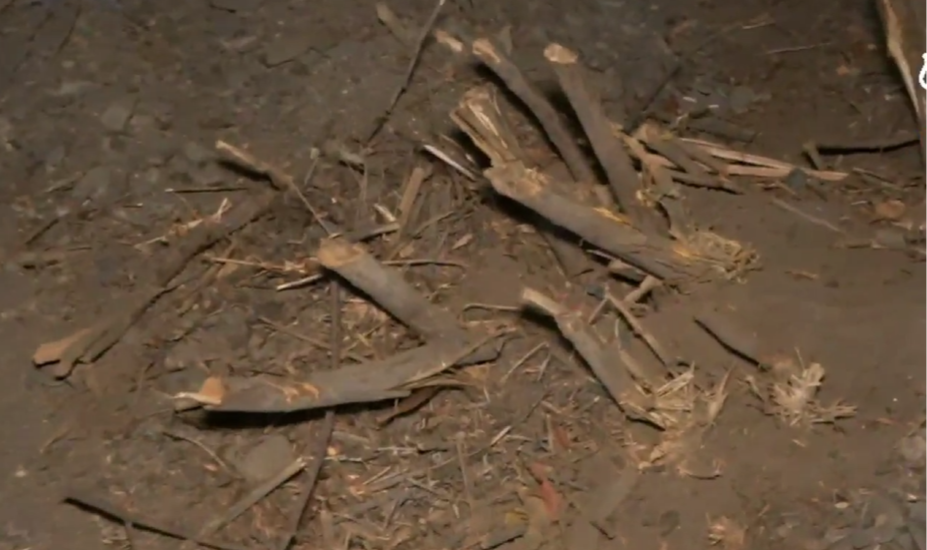
The Willow Trees Along the Tuul River Are More Than Just Trees:
- They reduce riverbank erosion.
- They maintain the balance of the water ecosystem.
- They provide habitat for birds and wildlife.
Destroying such vital natural systems for short-term construction poses long-term risks. It remains unclear whether the environmental impact assessment was conducted properly or transparently shared with the public. Should we continue to view this as a solution to traffic congestion?
Traffic congestion in the capital is a real issue. However, researchers have shown that building more roads does not reduce congestion in the long term; it often increases car usage, as seen in many international examples. This raises the question: is the Tuul River expressway a genuinely effective solution, or just a temporary, “visible” fix?
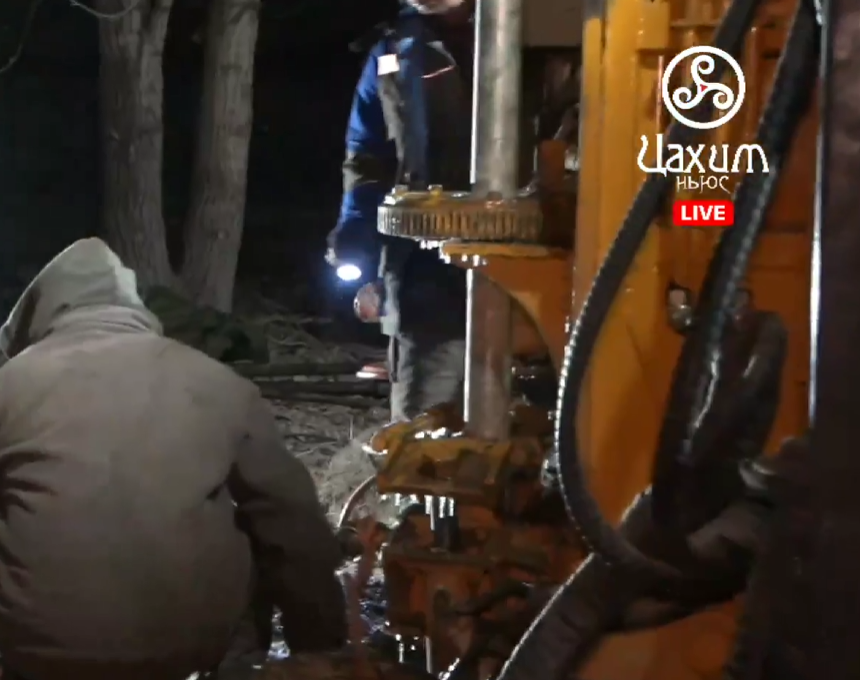
Transparency Concerns in the Capital
There are serious public concerns regarding this project. Large infrastructure projects often involve huge budgets and, in some cases, can serve as mechanisms to absorb financial flows while providing limited benefit. For the Tuul Expressway, questions remain:
- What is the total cost of the project?
- How transparent is the funding source and expenditure?
- Is independent auditing and monitoring being conducted?
Without sufficient and transparent answers, it is understandable that suspicions arise, portraying the project not only as an “inefficient construction” but potentially as a form of financial mismanagement. While urban development is inevitable, destroying nature without the possibility of restoration is not a viable solution. Any development along the Tuul River, one of the few remaining natural areas in the capital, must be science-based, transparent, and involve public participation.
Lessons from Global Cities
Can the Tuul River expressway effectively reduce traffic congestion? Most likely not. In short, this area is not heavily congested, and global experience shows that building highways often increases car usage rather than reducing congestion in the long run.
One key concept is “induced demand” — expanding road capacity may initially improve traffic flow, but people eventually drive more, move to the new road, and congestion returns. This theory, widely accepted in modern urban planning, is backed by real cases:
- Los Angeles, USA: Despite decades of expanding highways to some of the world’s widest roads, the city remains one of the most congested. Road expansion led to increased car usage and decreased public transport use, worsening the problem.
- Houston, USA: The “Katy Freeway” was expanded to 26 lanes, yet travel times increased within a few years, showing that expanding road capacity is ineffective long-term.
Positive Example:
Some European cities have achieved better outcomes with the opposite approach. In Seoul, South Korea, an old expressway was removed, and the Cheonggyecheon Stream was restored. Traffic congestion did not increase; instead, public transport use and pedestrian activity rose, demonstrating that eco-friendly solutions can manage urban mobility more effectively.
Thus, building an expressway along the Tuul River may temporarily relieve traffic in some areas but risks increasing car numbers over time. It may also harm the river’s ecosystem and seriously damage urban green spaces and water balance.
Real Solutions to Congestion
True solutions to traffic congestion involve developing public transportation, improving bike lanes and pedestrian areas, and implementing urban planning policies that reduce centralization — not just building more roads. Therefore, the Tuul River expressway must be evaluated not only as an infrastructure project but also for its long-term social, economic, and environmental impacts.
The most important question today is simple: “Do we have to sacrifice our living environment to achieve a congestion-free city?”


СЭТГЭГДЭЛ Үлдээх